Portlogics
All insights

Import Customs Clearance in Korea: 5 Steps, Documents, and Duty/VAT

Published 2026-07-09

LinkedInX
Import Customs Clearance in Korea: 5 Steps, Documents, and Duty/VAT

Imported goods can only move to your warehouse once they pass customs. In Korea, that gateway is import customs clearance. Knowing the steps and documents in advance greatly reduces clearance delays and the warehouse costs that come with them.

This guide helps import teams understand the full flow of the clearance process and the documents it requires, and pinpoint where delays arise.

What Is Import Customs Clearance?

Import customs clearance is the sequence of declaring imported goods to the head of the customs office, having customs review the declaration, and, once it is accepted, paying the duties and releasing the goods. Only after the declaration is accepted do foreign goods become domestic goods that can be distributed within Korea.

The 5 Steps of Import Clearance

StepWhat happens
1. Arrival and entryGoods reach the port or airport and are stored in a bonded area
2. Import declarationThe shipper or a licensed customs broker sends the import declaration to customs
3. Review and inspectionScreen review, document review, and physical inspection if needed
4. Duty paymentCustoms duty, VAT, and other taxes are paid or secured by a guarantee
5. Acceptance and releaseThe declaration certificate is issued and the goods leave the bonded area

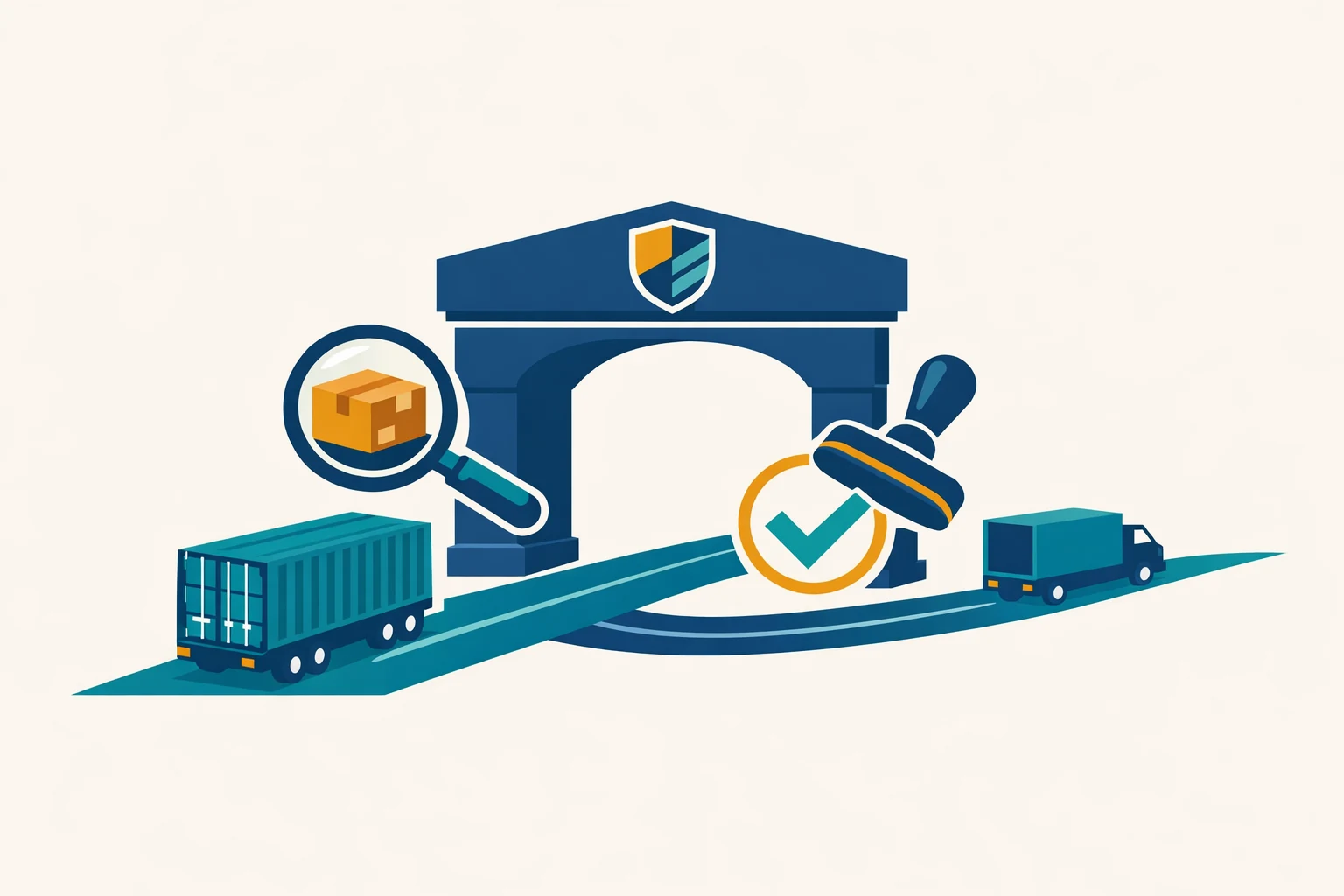
Import customs clearance in 5 steps: a flow diagram from arrival to release

Documents Needed for an Import Declaration

  • Import declaration: the basic form, transmitted electronically
  • Invoice: transaction details and price
  • Packing List: items, quantity, and weight
  • Bill of Lading (B/L) or Air Waybill (AWB): the transport document
  • Certificate of Origin (C/O): when claiming FTA preferential duty
  • Import requirement documents: certifications and permits for items subject to customs-head confirmation

Since duty rates and requirements vary by item, confirming the HS code first is the starting point. Once you know the duty rate, you can pre-calculate duty, VAT, and total tax with the import duty calculator.

When Do You File the Import Declaration?

In Korea, an import declaration can be filed at several points, from before the goods arrive to after they are stored in a bonded area. Customs distinguishes, for convenience, declaration before departure, declaration before arrival, declaration before reaching the bonded area, and declaration after bonded storage. Filing early, before arrival, lets you release the goods as soon as they land, which speeds up clearance.

How to Speed Up Clearance

  • Prepare documents in advance: finalize the invoice, B/L, and Certificate of Origin before arrival
  • Confirm the HS code early: know the duty rate and import requirements ahead of time
  • Check requirement-bound items: if the item is subject to customs-head confirmation, obtain certifications and permits in advance
  • Work with a customs broker: review classification, rates, and requirements with an expert beforehand
  • Use pre-arrival declaration: file before arrival to move up the release point

Clearance delays turn straight into bonded-area holding costs and warehouse fees. Finishing documents and requirements before arrival is the surest saving.

This guide is for general information. Rates, requirements, and procedures for each item vary with Korea Customs Service notices and individual circumstances. It reflects the date of publication, so confirm the latest rules before you actually file.

Frequently asked questions

What are the steps of import customs clearance?

It runs in five steps: arrival and bonded-area entry, import declaration, review and inspection, duty payment, and acceptance and release. Foreign goods become domestic goods that can be distributed in Korea only after customs accepts the declaration.

What documents are needed for an import declaration?

Along with the import declaration form itself, you need the Invoice, the Packing List, the Bill of Lading (B/L) or Air Waybill (AWB), a Certificate of Origin (C/O) when claiming FTA preference, and import requirement documents for items subject to customs-head confirmation.

When can I file the import declaration?

You can file at several points: before departure, before arrival, before reaching the bonded area, or after bonded storage. Filing before arrival lets you release the goods right after they land, which speeds up clearance.

How do I speed up customs clearance?

Prepare the invoice, B/L, and Certificate of Origin before arrival, and confirm duty rates and import requirements early using the HS code. If the item is subject to customs-head confirmation, obtain certifications and permits in advance, review classification and requirements with a customs broker, and use pre-arrival declaration to cut delays.

Related guides